Propane Handling & Exchange Safety Training
Propane Work Without the Risk Starts Here
Every year, propane incidents happen not because workers didn’t care, but because nobody showed them the right way. That’s a fixable problem.
Online Propane Handling Training gives workers the knowledge they actually need, in a format that works around real schedules and real job sites.
Why Propane Safety Training Matters More Than You Think
Propane is everywhere. Forklifts, heating units and cylinders stacked near loading docks. Most workers handle it daily without a second thought. That familiarity? It’s where accidents start.
A quick refresh or a first-time certification can be the difference between a close call and a catastrophe. And yes, that sounds dramatic but the data backs it up.
What the Propane Handling Course Online Covers
The Propane Handling Course Online through SAFE Training Online walks learners through:
- Safe cylinder inspection and storage rules
- Leak detection and what to do when you find one
- Proper exchange procedures, step by step
- Emergency response basics
- Regulatory requirements workers need to know
No fluff. No filler. Just the actual content that keeps people safe on the job.
Who Should Take This Course?
Honestly, more people than you’d expect.
- Warehouse and distribution workers
- Retail staff managing propane exchange stations
- Fleet and logistics teams using propane-powered equipment
- Supervisors responsible for site safety compliance
If propane is anywhere near your workday, this training applies to you.
Learn at Your Own Pace, On Any Device
One of the better things about doing this online is the flexibility. Workers can log in from home, a break room or a phone. No classroom booking. No waiting for a scheduled date. The Online Propane Handling Training fits around the job, not the other way around.
Progress is saved. Certificates are issued on completion. Records are easy to pull for audits or inspections.
Get Certified Through SAFE Training Online
Visit SAFE Training Online to enroll in the Propane Handling Course Online today. Fast. Practical. Compliant.
For instance, some employees may prefer to watch videos or read manuals instead of doing practical exercises. Others may feel more comfortable learning by practicing on real tanks. Whatever method you decide to use, make sure that you give your employees plenty of opportunities to practice safely.
What Safety Measures Should You Following?
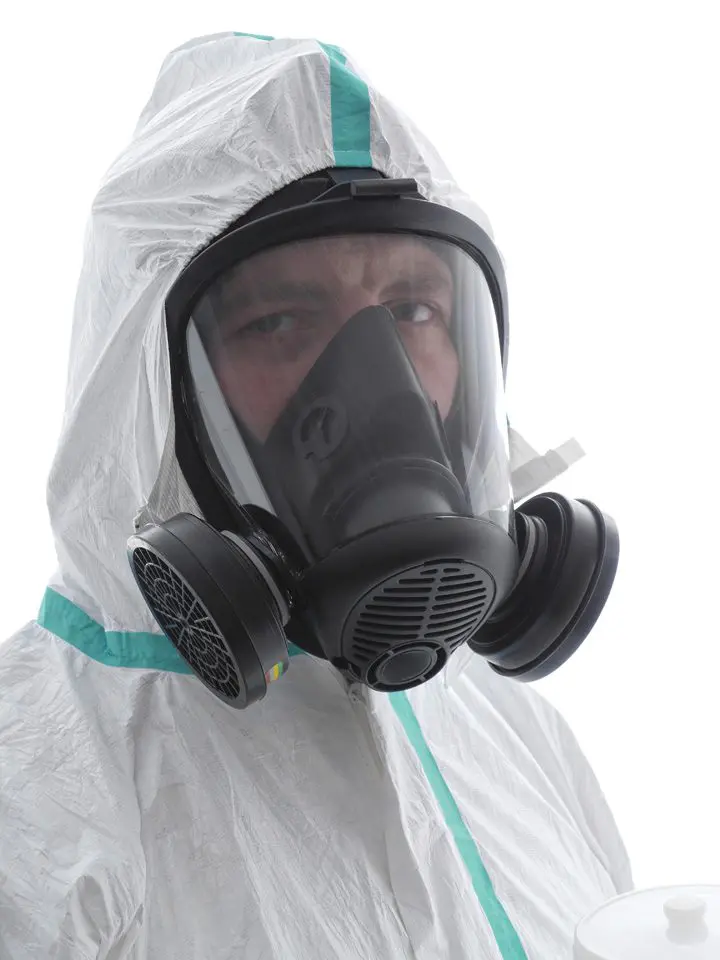
Safety is always a concern when working with any hazardous materials. Propane is no exception. Below are important safety measures to keep in mind when handling and filling propane cylinders this season.
Only properly trained personnel should handle propane cylinders. Employees must wear proper personal protective equipment, including safety glasses and chemically impermeable gloves.
Know what propane smells like. Be familiar with its odor and know how to detect leaks using a leak detection solution.
Always inspect propane cylinders for damages before filling. Properly qualified personnel will be able to tell if cylinders are suitable to fill or need to be removed from service.
Make sure that cylinders are within the expiration date before filling. Overfilled propane tanks can pose a safety risk.
Fill only to the maximum allowed filling level. Overfilling propane tanks can cause a dangerous buildup of pressure inside the tank.
Never exceed the maximum recommended filling levels. Exceeded amounts of propane can result in explosions.
Important Rules To Follow For Propane Safety
Safety is paramount when working with propane. You must only hire properly trained personnel to work with propane. And proper personal protective equipment needs to be worn while working with propane.
Always know what propane smells like. You must also know how to test a propana cylinder for leaks using a chemical leak detector solution. And you must know what to do in the case of a leaking cylinder.
Make sure that propane cylinders are within their qualification dates before filling them. Also, never fill propane cylinders beyond their maximum permissible filling levels. Doing so can cause a dangerous buildup of pressure inside the cylinder.
Always inspect propane cylinders for any damage before filling them. If there is damage, you must remove the damaged cylinder from service until repairs are made.
Conclusion
Propane handling and exchange safety training is an essential part of running a propane business. It’s vital that you understand what you need to do to ensure the safety of your employees and customers. This article provides you with information on the benefits of propane handling and exchange safety.
Click here for online Propane Handling & Exchange Safety Training course.
Click here for OSHA Propane Handling & Exchange requirements.
FAQs
What does Online Propane Handling Training explain about safe cylinder inspection and storage?
SAFE Training Online’s Online Propane Handling Training explains safe cylinder inspection and storage rules for warehouse, retail, and fleet staff across the United States. The course covers leak detection and emergency response basics, and progress is saved with a certificate issued on completion.
Is there content on propane exchange cage safety that covers proper exchange procedure?
Yes, SAFE Training Online’s material on propane exchange cage safety walks through proper exchange procedures step by step for staff across the United States. The course also covers cylinder damage inspection before filling, ending with a certificate issued right after completion.
I do not understand what an employee is actually supposed to do if a propane leak is detected, can you clarify?
SAFE Training Online’s propane leak response training teaches staff across the United States to know propane’s smell and use a leak detection solution to confirm a leak before responding. The course covers what to do with a leaking cylinder, ending with a certificate confirming that knowledge.
Can propane safety awareness training be completed by seasonal employees who only work a few months a year?
Yes, SAFE Training Online’s propane safety awareness training fits around real schedules, letting seasonal employees across the United States complete it quickly from home or the job site. The course covers essential handling and storage rules, ending in a certificate after the exam.
I want a propane handling best practices course that keeps things simple for employees who are not comfortable with long training modules, does one exist?
SAFE Training Online’s propane handling best practices content has no fluff or filler, built for employees across the United States who prefer brief, focused training. The course still ends with a certificate confirming the essential cylinder inspection and handling knowledge was covered.
Contact
"*" indicates required fields