Confined Space Awareness Online Course
$69.99 USD
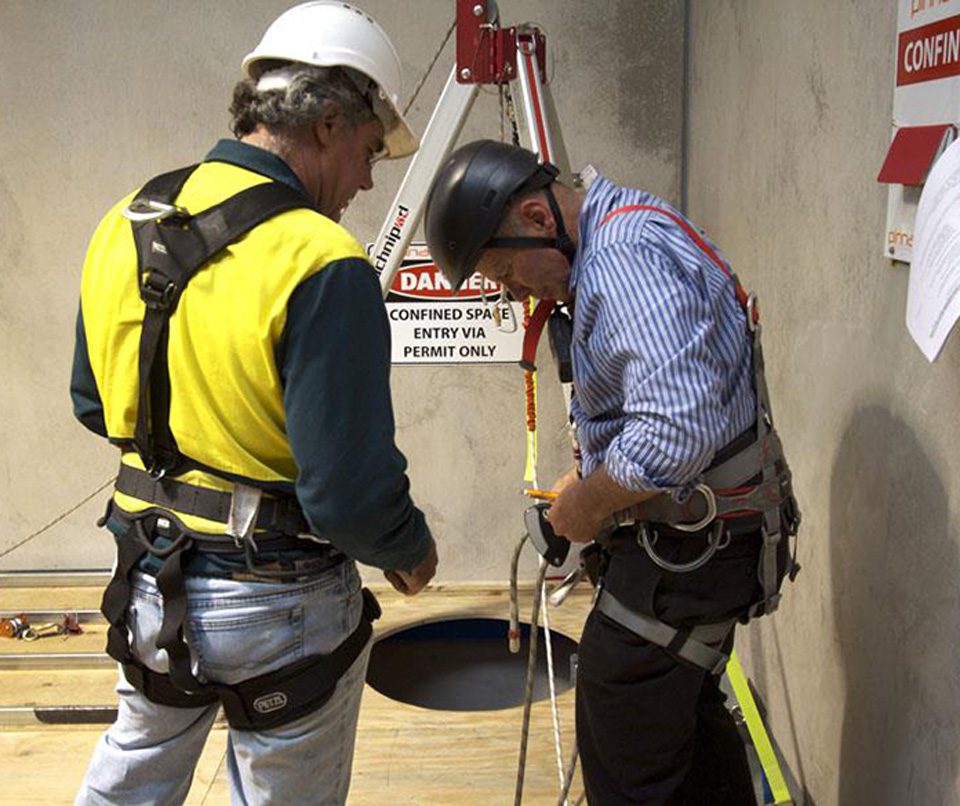
This Confined Space Awareness Online course gives workers the basic knowledge they need to stay safe inside confined spaces. These spaces are tricky. They carry real dangers that most people don't think about until something goes wrong. Every worker who steps into one needs to know the risks. This Confined Space Awareness Online course meets OSHA's classroom training rules for operator safety.
Stay Safe in Grain Silos, Sewers, Cargo Holds, Tunnels and Other Confined Spaces
In this Confined Space Awareness Online Course, you'll learn about:
- What Is a Confined Space?
- What Hazards a Worker Needs to Be Aware of
- Identifying Hazards
- Risk Categories
- The Roles and Responsibilities of a Qualified Worker
- Emergency Response Guidelines
- How to Work Safely in a Confined Space
Duration
The Confined Space Training Online Certification Course takes about 2 hours to finish. Not too long, honestly.
Testing
Students in the Online Confined Space Training Course get quizzed as they go. You need 80% or better to get your certificate. Didn't hit that mark? No stress. You can try two more times.
Once you finish the Confined Space Training Online course, you'll receive a checklist. Your employer uses it to run the hands-on observation part of your training.
Certificate of Completion
Pass the Confined Space Awareness Online Course, and you get a certificate. Print it. Download it. Keep it somewhere safe.
What are the biggest risks workers should be aware of in a confined space?
- Toxic Atmosphere
- Oxygen deficiency
- Oxygen enrichment
- Flammable or explosive atmospheres
- Flowing liquid or solids
- Excessive heat
Here are some guidelines that can help you to stay safe in confined spaces:
- Before you go in, make sure you can remove or control anything dangerous in there. Don't skip this step.
- Bring a monitor. Gases you can't smell can still kill you. A good instrument catches what your nose misses.
- Ventilation matters a lot. Forced-air ventilation works really well in tight spaces. It pushes out contaminants fast. Use it.
- If PPE is part of the plan, everyone wearing it must actually know how to use it. Proper training isn't optional here.
- Cut off other hazard sources by isolating the space. Fewer entry points means fewer things that can go wrong.
- Someone stays outside. Always. That person watches conditions, stays alert, and calls for help the second something feels off.
- Have a rescue plan ready before you need one. The right gear, the right steps, all planned out ahead of time.
- Light the space properly. If workers can't see clearly, that's already a problem waiting to happen.
- Keep talking. Workers inside need to stay in contact with people outside. Check in often. If something's wrong, say so fast.
More Information:


Other Courses You May Be Interested in
$37.95 USD
$99.99 USD
$59.99 USD