Tree Trimming Safety Course
$59.99 USD
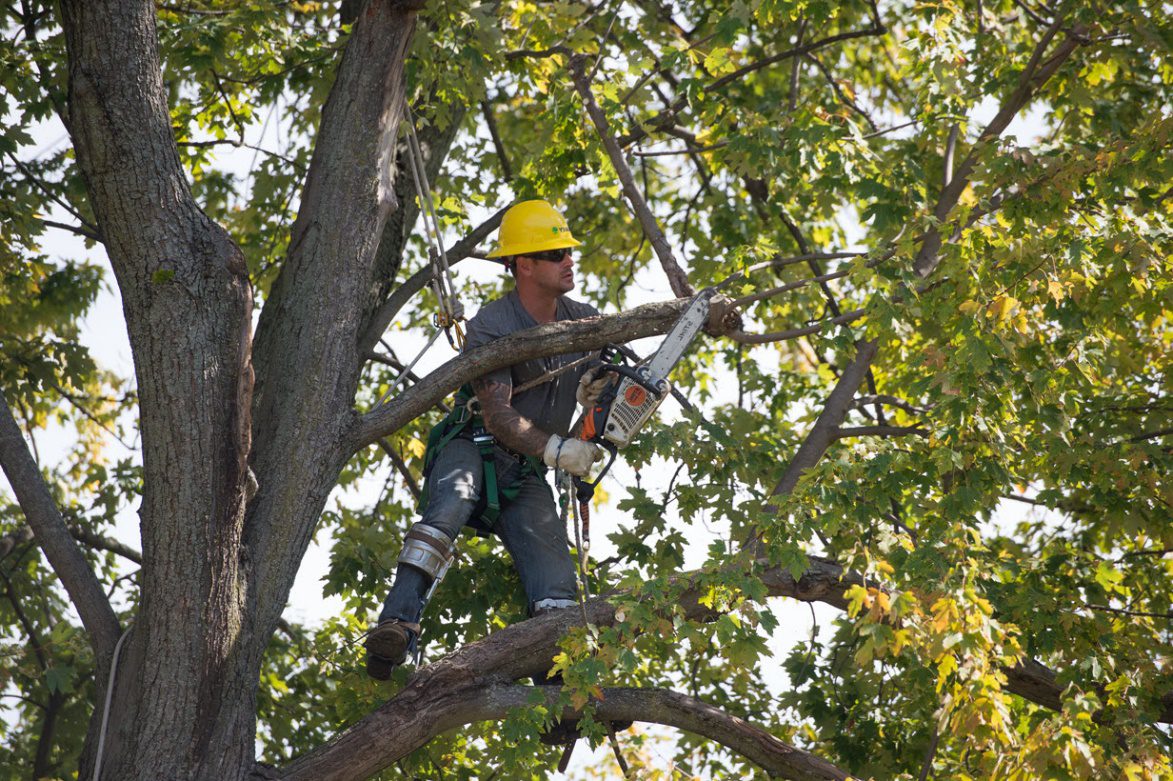
This Tree Trimming Safety Course is built for anyone who works with trees. Honestly, it covers a lot. You will deal with chainsaws, loppers, hand trimmers and sometimes aerial lifts just to reach the higher branches. These tools are not toys. They can hurt people fast. That is exactly why Tree Trimming Safety Training matters so much. It keeps you safe. It keeps everyone nearby safe, too.
Tree Trimming Safety Course
Tree Trimming Safety Course: Outline
- Equipment Descriptions
- Safe Operating Practices
- Identifying Electrical Hazards
- Identifying Fall Hazards
- Weather and Environmental Factors
- Safety Around Animals and Plants
- Traffic Awareness
- Equipment Operation
Tree Trimming Safety Course: Tips
Pre-Operation
- Get proper training before anything else. There may be local rules requiring specific training before you ever touch a chainsaw or climb a single branch. Look into that first.
- If the job calls for an aerial lift or bucket truck you need separate training for that equipment specifically. Knowing how to climb a tree does not mean you know how to run a lift. Very different skills.
- Walk the full area before starting. Look carefully. Power lines, cracked limbs and broken branches hiding up in the canopy. Spot these things early and deal with them before anyone gets hurt.
- Treat every power line like it is live. Every single one, no exceptions. Do not go near one until the utility company confirms it has been fully shut off. No guessing allowed.
- Block off the work area around the tree. Cones, tape, rope, whatever you have. People walking past do not know a branch might fall on them. Preventing that is your responsibility.
- Never work alone up in a tree. Always have someone on the ground watching. That person keeps bystanders clear and keeps an eye on you. Simple and necessary.
- Learn what a sick or weakened tree looks like. Some species crack under pressure more than others. Knowing which ones could genuinely save your life.
- Before climbing, test the limbs. Push on them. Look for holes, dead wood, cracks at joints or anything hanging loose. Only then should you start climbing.
- Inspect fall protection and ropes before every single use. Not sometimes, every time. Find something frayed or broken? Pull it from service immediately. Fix it to the manufacturer's standards or throw it out. No improvising.
- When using a ladder, tie it off to a solid branch first. Ladder safety training is a smart idea, too.
Operation:
- As you climb, remove small dead branches by hand. Larger ones need the right tools.
- Move one hand or foot at a time while climbing. Hands and feet go on separate limbs. Slow is safe.
- Lower or raise tools by attaching hand lines or ropes to them. Smaller tools can ride up or down in a bucket on the line.
- Working near powerlines? Use only non-conductive tools and personal protective equipment. No exceptions.
- Always look at the cut before you make it. You do not want to accidentally slice through your own rope or handline.
- Always attach a leather or carbon fiber guard to any saw held by a ring on your belt.
Safety Awareness
- Never use dead branches for support.
- Never climb when it is wet, icy or windy. Come back another day.
- Never leave a partially sawn limb sitting up in the tree.
- Never carry chainsaws, pruners or other tools in your hands while climbing.
- Never use axes or hatchets when working up in a tree.
Safety Tips – Ropes
- Regularly inspect ropes along their full length for flaws or nicks.
- Always slide ropes slowly over or between limbs to prevent wear damage.
- Always keep your ropes coiled when they are in use.
- Store ropes in dry containers away from the weather.
- Safety lines must never be used for lowering or raising equipment or tree limbs.
Safety Tips – Powerlines
- Regularly inspect ropes along their full length for flaws or nicks.
- Always slide ropes slowly over or between limbs to prevent wear damage.
- Always keep your ropes coiled when they are in use.
- Store ropes in dry containers away from the weather.
- Safety lines must never be used for lowering or raising equipment or tree limbs.
PPE – Personal Protective Equipment
- Only use industry-approved safety belts, harnesses, lifelines, and leather gauntlet gloves.
- Only wear industry-approved head and eye protection and footwear with slip-resistant soles.
- Only wear close-fitting, long-sleeved clothing.


Check the requirements >
Other courses you may be interested in